UK Scraps $6.6M Counter-Drone Competition Over Flawed Evaluation Criteria
UK Defence Innovation has abandoned Project PANOPTES, a competition offering up to $6.6 million for an autonomous counter-drone force protection system, and plans to relaunch it.
- Country
- United Kingdom
- Investors
- UK Defence Innovation, for the Ministry of Defence
- What it builds
- Autonomous counter-drone force protection
- Amount
- $6.6 million
- Original amount
- 5 million pounds
- Round
- Contract, competition abandoned
- Announced
- November 26, 2026
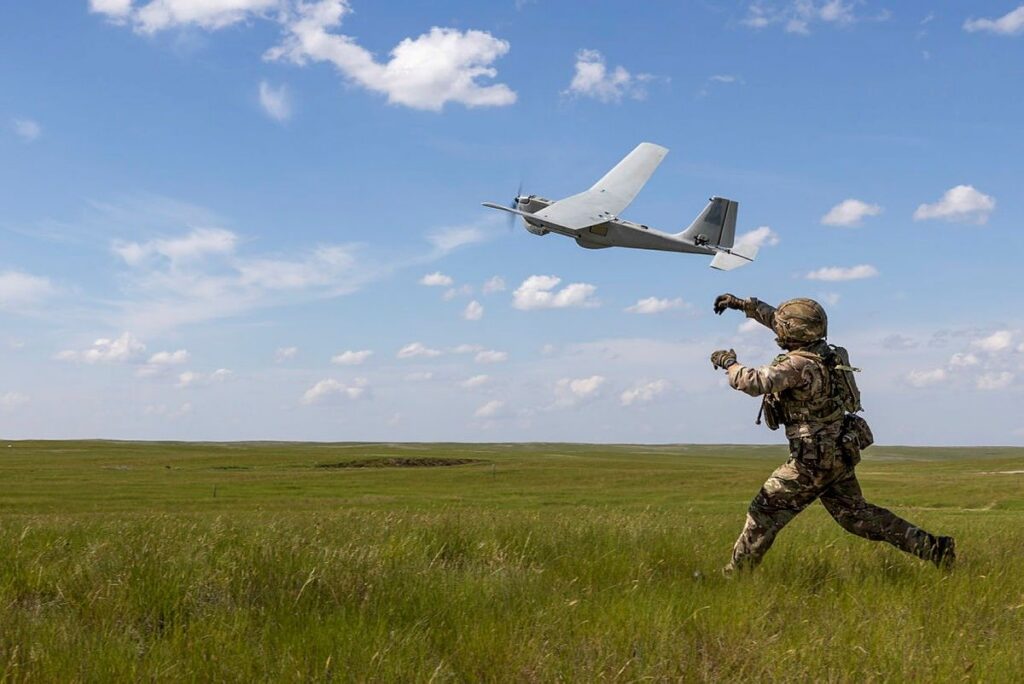
The UK has abandoned Project PANOPTES, a UK Defence Innovation competition offering a share of up to $6.6 million (5 million pounds) for an autonomous counter-drone force protection system, after finding problems with how bids were judged. The competition page was updated on November 26 to say the Authority will not proceed with Stage 2.
A review found “issues with the Stage 1 Pass/Fail evaluation criteria and the evaluation methodology applied which give rise to unacceptable risks in proceeding with the procurement,” the notice says. The Authority intends to return to the market with a revised procurement “in the near future” and has published a Procurement Termination Notice under section 55 of the Procurement Act 2023. It gave no date for the relaunch, and the stage dates have been removed from the page.
“The Authority is mindful of the impact on military capability and on Tenderers,” the notice says.
What was on offer
The competition, run on behalf of the Ministry of Defence, sought an integrated counter-uncrewed aerial system able to detect, track, identify, decide and defeat mass and low-cost threats cheaply, without being overwhelmed or exhausting stockpiles. The need is most acute for deployed land forces, the document says, but also applies to protecting fixed defence infrastructure.
PANOPTES was meant as the first phase of a multi-phase development and acquisition pathway leading to a future Programme of Record. The main deliverable was an evidence-based programme plan backed by demonstrations, modelling, analysis and testing. Projects were to last six months or less, and multiple contracts were expected. Successful teams could later have received further tasking to carry out their plans.
The Authority thanked tenderers and said it hopes they will take part in any future procurement.

Raising, or looking for your first contract?
DefMatch is the Defense Capability Exchange from The Defense Post. Find your company profile, claim it, and get in front of buyers and partners.